

Small businesses rarely break because of lack of ambition. They break because of invisible inefficiencies.
When owners look into AI agents for small businesses, they are not chasing hype. They are trying to protect time, reduce friction, and stabilize growth.
But AI automation for small business only works when it targets the right problems. Let’s walk through the real structural leaks small businesses face and how to fix them properly.
Repeated Cognitive Labor Is Quietly Draining Your Business
The Problem
Every small business runs on repeated thinking.
You rewrite similar emails to different clients. You rebuild proposals from scratch. You re-explain your offer in slightly different language. You manually summarize conversations.
Individually, these tasks seem minor. Collectively, they consume hours each week. The real cost is not time. It is mental fatigue.
Repeated cognitive labor reduces creative energy. It makes strategic thinking harder. It increases decision fatigue.
Why It Happens
Most small businesses never formalize recurring tasks. They rely on memory and improvisation. That works at very small scale, but breaks as volume increases. Without structure, every task feels new.
The Solution
Start by identifying one recurring task that happens at least three times per week. Document the rough structure in plain language.
For example, a proposal might include:
Client summary
Problem definition
Proposed solution
Timeline
Investment
Next step
Once that structure exists, introduce AI agents to operate inside it. Instead of drafting proposals from scratch, your AI agent fills in a structured template based on call notes. Instead of rewriting onboarding emails, the agent drafts responses aligned with a defined framework.

Context Loss Between Interactions Is Costing You Revenue
The Problem
Small businesses lose deals not because they lack skill, but because they lose context.
You forget what a client emphasized three weeks ago. You search through email threads to reconstruct conversations. You misalign proposals with real priorities.
Context loss creates friction and erodes trust.
Why It Happens
Information is scattered. Notes live in Google Docs. Emails live in Gmail. Tasks live in Notion or Trello. There is no unified synthesis layer.
The Solution
After every sales call or client meeting, create a consistent summary process.
Have your AI agent extract:
Core pain points
Urgency signals
Budget range
Decision timeline
Risks mentioned
Store those structured summaries inside your CRM.
If you use:
Integrate summaries into client records. Over time, you can ask your AI agent to review dozens of summaries and detect patterns in objections or deal timing.
That transforms scattered memory into strategic intelligence. AI agents for small businesses become powerful when they preserve context across time, not just respond in the moment.
Marketing Inconsistency Is Weakening Your Authority
The Problem
Small businesses rarely struggle with ideas. They struggle with consistency.
One week you publish three posts. The next week, none. Messaging shifts depending on mood or urgency. Offers are described differently across platforms.
Search engines reward consistency and clarity. Customers reward predictability. Inconsistent messaging weakens both.
Why It Happens
Marketing is often squeezed between client work and operations. Without a system, it becomes reactive.
The Solution
Instead of using AI agents to create random content, use them to enforce thematic discipline.
Once per month, review your last 10–20 pieces of content and ask AI:
What themes dominate?
What objections are not addressed?
Where is my positioning vague?
Are my calls to action aligned?
Then use AI to repurpose core content into multiple formats while maintaining consistent language.
Use:
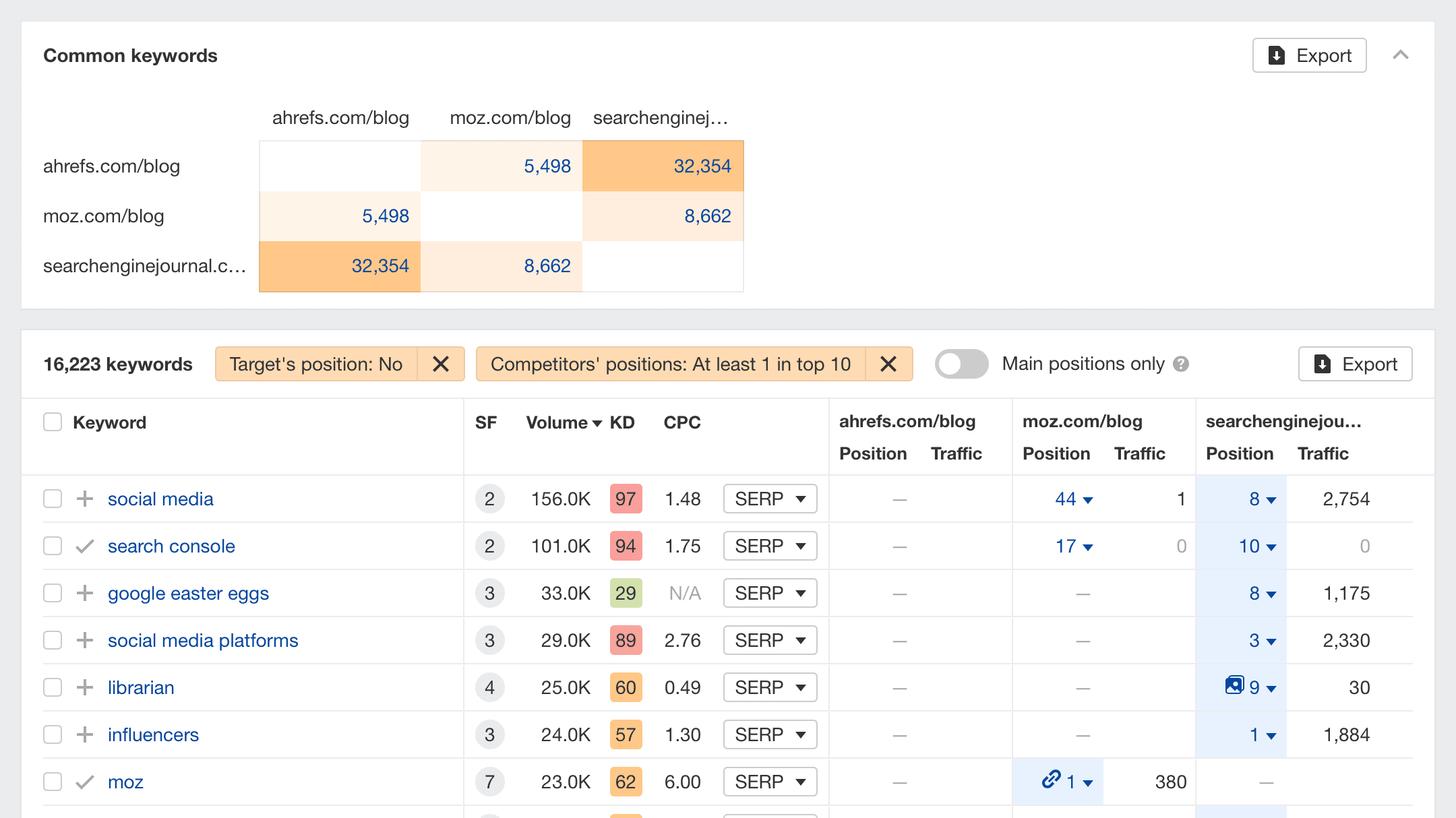
Google Search Console to monitor keyword alignment
AI automation for small business marketing should reinforce your positioning and SEO strategy, not replace it. When your messaging sharpens, rankings improve because clarity improves.
Sales Variability Is Quietly Undermining Your Growth
The Real Problem
Most small businesses do not have a lead problem. They have a consistency problem.
Revenue feels unpredictable. Some months close smoothly. Other months stall. It is tempting to blame the market, pricing, or lead quality. But often the instability comes from execution variance.
Follow-up timing changes depending on how busy you are. One proposal is polished and structured. The next is rushed and reactive. Objections are handled emotionally instead of systematically.
Over time, these small inconsistencies compound. Not dramatically. Quietly.
A prospect who does not receive structured follow-up hesitates. A proposal that fails to address a previously stated concern loses momentum. A delayed response signals uncertainty.
None of this feels catastrophic in isolation. But together, they erode close rates.
Why This Happens
In early stages, sales is personality-driven. It runs on memory, intuition, and energy.
When volume increases, that approach breaks.
Without a defined post-call structure, every sales conversation resets the process. There is no consistent method for extracting key signals. No predictable follow-up cadence. No systematic objection tracking.
Sales becomes mood-dependent.
A Better Way to Stabilize Sales With AI Support
Instead of trying to “sell better,” focus on reducing variability.
After every sales conversation, introduce one non-negotiable step: structured capture.
Have your AI agent convert raw notes into a consistent summary that clearly identifies:
The client’s core problem
The financial or operational impact
The urgency level
Budget sensitivity
Decision timeline
Explicit objections or hesitation signals
The purpose is not to automate persuasion. It is to eliminate memory loss.
Then ensure every follow-up email is built on that structured summary. Not generic enthusiasm, but specific alignment.
Over time, this creates a dataset. Even in a small business with 40–50 deals per year, patterns become visible.
You can begin asking deeper questions:
Are objections clustering around clarity or price?
Are certain industries converting faster?
Do deals stall at the same stage?
Your CRM, whether that is HubSpot, Pipedrive, or even a structured Notion board, becomes a strategic asset rather than a contact list. Stripe data can be layered in to compare revenue timing and deal quality.
AI workflow automation for small business becomes transformative when it reduces sales randomness. Revenue stability improves not because you are louder, but because you are more consistent.
Operational Fragmentation Is Creating Hidden Chaos
The Real Problem
As small businesses grow, complexity increases faster than structure.
Meetings produce ideas but not documented actions. Emails contain decisions that never become tasks. Projects stall because ownership was assumed rather than assigned.
The business does not feel broken. It feels noisy. Noise creates stress. Stress reduces strategic clarity.
Operational fragmentation rarely shows up in a profit and loss statement directly. It shows up as fatigue, confusion, and delayed execution.
Why It Happens
In early stages, informality works. Everyone knows everything. Conversations happen quickly. Memory is enough. But once the business grows beyond a handful of clients or team members, informal coordination stops scaling.
Documentation feels excessive until chaos makes it necessary.
Introducing Structured Synthesis
The solution is not more meetings or more tools. It is consistent synthesis.
After every meaningful meeting, introduce a standard transformation step. Instead of ending with conversation, end with structure.
Have your AI agent convert transcripts or notes into clearly defined action items with:
Explicit ownership
Concrete deadlines
Identified risks
Dependencies between tasks
The key is consistency. Every meeting produces structured output. No exceptions. Then introduce a weekly operational review.
At the end of each week, ask your AI agent to analyze:
Completed tasks
Delayed items
Repeated blockers
Emerging risks
Opportunities mentioned but not acted upon
This creates an executive-level overview even inside a three-person company.
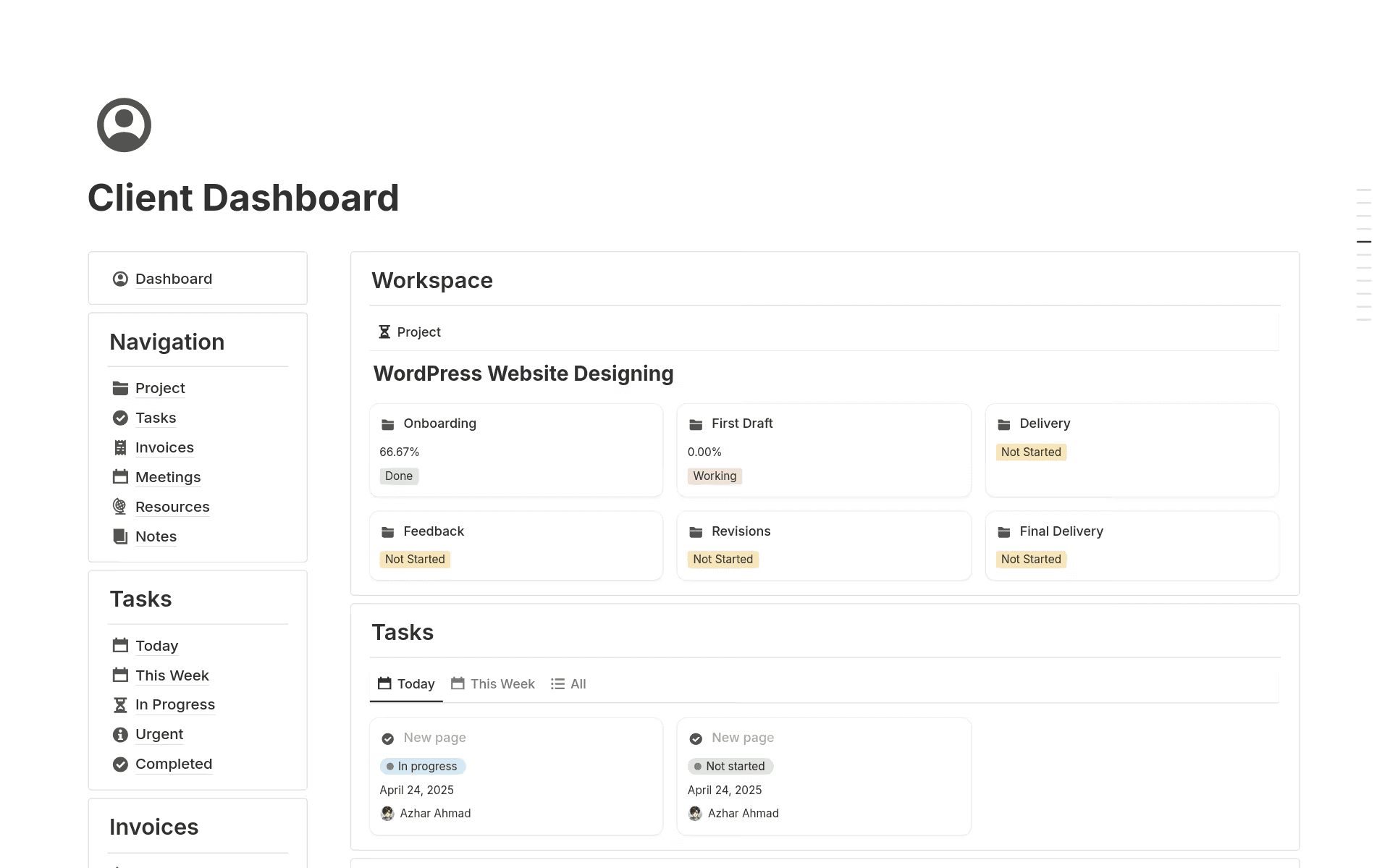
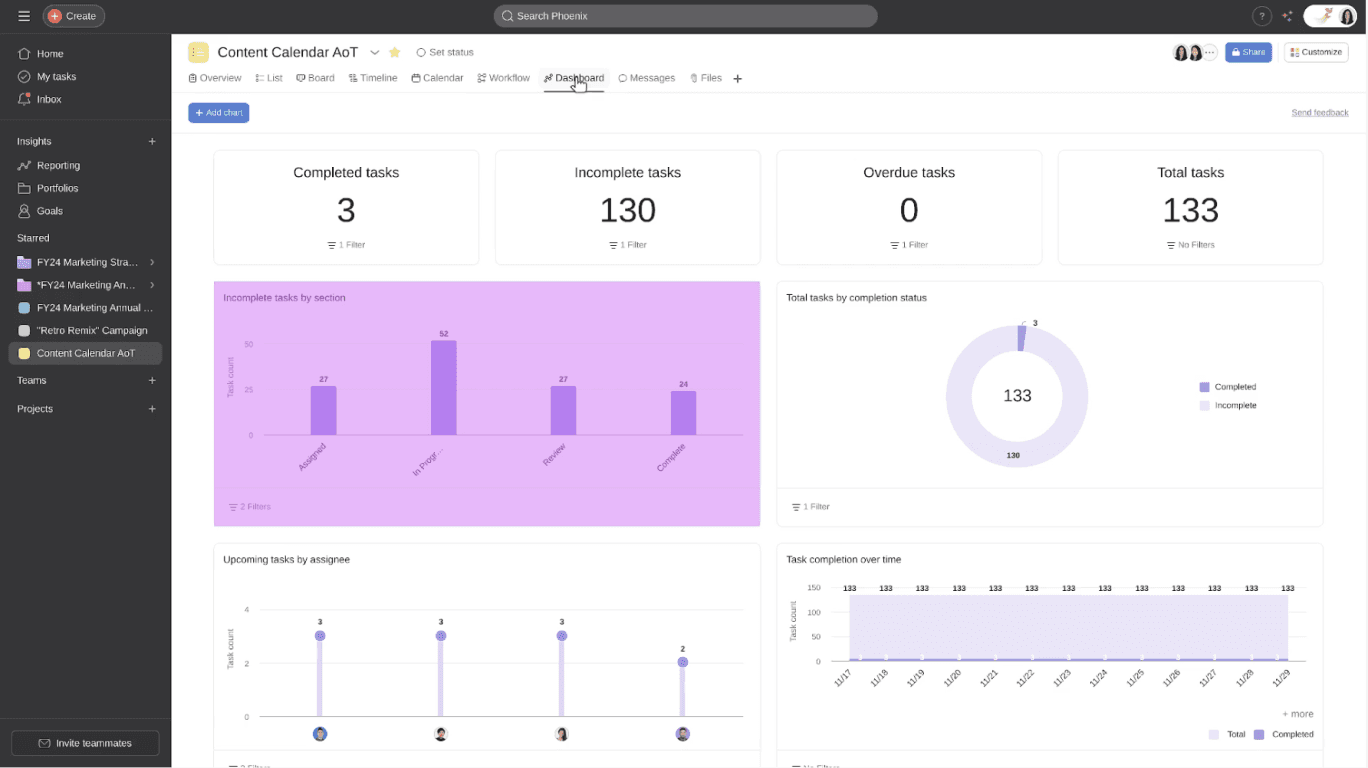
Tools like Notion, ClickUp, or Asana provide the backbone for task visibility. Slack integrations ensure transparency. A simple Google Sheets dashboard tracking KPIs adds measurable grounding.
AI for small business growth often begins not in marketing, but in operational clarity.
When information becomes structured automatically, cognitive load decreases. Decision-making improves. Momentum stabilizes.
Expanding AI the Right Way
One of the fastest ways to undermine AI adoption in a small business is to expand too quickly.
It is tempting to automate marketing, sales, support, and operations simultaneously. The result is usually confusion, not leverage.
AI automation for small business works best when layered. First stabilize one workflow completely. Make sure it feels predictable. Measure its impact. Refine the structure. Only then expand horizontally.
For example, once customer communication consistently follows structured response frameworks, apply similar discipline to sales summaries. Once sales summaries become reliable, introduce marketing pattern analysis. Once marketing messaging is stable, integrate operational synthesis.
Each layer builds on clarity. AI agents should strengthen operational discipline. They should not replace it.
When expansion is gradual, AI becomes part of how the business operates. When expansion is aggressive, AI becomes another source of complexity.
Measuring Real ROI From AI Agents for Small Businesses
Many small businesses measure AI success incorrectly. They look at how often they use it. How many drafts it generates. How much content it produces.
Those metrics are misleading. The real question is whether variability decreases.
Has inbox time become predictable instead of overwhelming?
Has follow-up timing stabilized?
Has marketing publishing cadence become consistent?
Are fewer tasks slipping through cracks?
Measure these inside your CRM dashboards, your task management system, and your financial software.
Revenue growth in small businesses often follows operational stability. When execution becomes predictable, compounding begins.
AI agents for small businesses create value when they reduce friction systematically. Predictability compounds. And compounding is where small businesses win.

The Competitive Advantage of Structural Clarity
AI agents for small businesses are not magic. They are structural reinforcements. When implemented with discipline, they reduce repetition, preserve context, enforce clarity, and stabilize execution.
Small businesses win by leaking less. AI automation for small business helps seal those leaks.
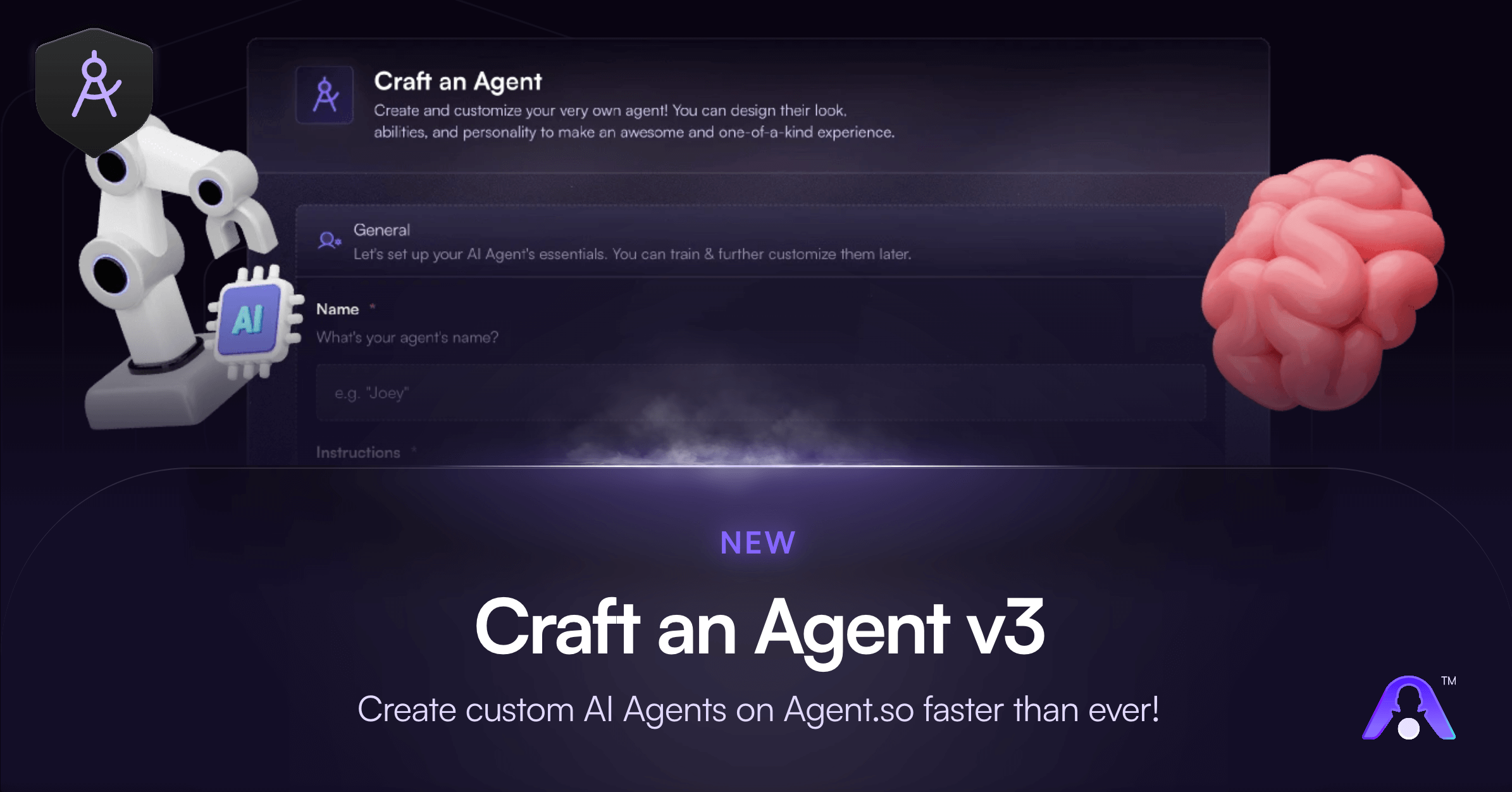
Agent.so gives you access to ready-made and customizable AI agents designed for real business use cases. Instead of stitching together multiple tools or trying to build complex systems from scratch, you can deploy AI agents that support the exact workflows we discussed in this guide.
All within a platform built to scale with your business. Explore what your first AI agent could do for your business at Agent.so and start building systems that work as hard as you do.
Small businesses rarely break because of lack of ambition. They break because of invisible inefficiencies.
When owners look into AI agents for small businesses, they are not chasing hype. They are trying to protect time, reduce friction, and stabilize growth.
But AI automation for small business only works when it targets the right problems. Let’s walk through the real structural leaks small businesses face and how to fix them properly.
Repeated Cognitive Labor Is Quietly Draining Your Business
The Problem
Every small business runs on repeated thinking.
You rewrite similar emails to different clients. You rebuild proposals from scratch. You re-explain your offer in slightly different language. You manually summarize conversations.
Individually, these tasks seem minor. Collectively, they consume hours each week. The real cost is not time. It is mental fatigue.
Repeated cognitive labor reduces creative energy. It makes strategic thinking harder. It increases decision fatigue.
Why It Happens
Most small businesses never formalize recurring tasks. They rely on memory and improvisation. That works at very small scale, but breaks as volume increases. Without structure, every task feels new.
The Solution
Start by identifying one recurring task that happens at least three times per week. Document the rough structure in plain language.
For example, a proposal might include:
Client summary
Problem definition
Proposed solution
Timeline
Investment
Next step
Once that structure exists, introduce AI agents to operate inside it. Instead of drafting proposals from scratch, your AI agent fills in a structured template based on call notes. Instead of rewriting onboarding emails, the agent drafts responses aligned with a defined framework.
Context Loss Between Interactions Is Costing You Revenue
The Problem
Small businesses lose deals not because they lack skill, but because they lose context.
You forget what a client emphasized three weeks ago. You search through email threads to reconstruct conversations. You misalign proposals with real priorities.
Context loss creates friction and erodes trust.
Why It Happens
Information is scattered. Notes live in Google Docs. Emails live in Gmail. Tasks live in Notion or Trello. There is no unified synthesis layer.
The Solution
After every sales call or client meeting, create a consistent summary process.
Have your AI agent extract:
Core pain points
Urgency signals
Budget range
Decision timeline
Risks mentioned
Store those structured summaries inside your CRM.
If you use:
Integrate summaries into client records. Over time, you can ask your AI agent to review dozens of summaries and detect patterns in objections or deal timing.
That transforms scattered memory into strategic intelligence. AI agents for small businesses become powerful when they preserve context across time, not just respond in the moment.
Marketing Inconsistency Is Weakening Your Authority
The Problem
Small businesses rarely struggle with ideas. They struggle with consistency.
One week you publish three posts. The next week, none. Messaging shifts depending on mood or urgency. Offers are described differently across platforms.
Search engines reward consistency and clarity. Customers reward predictability. Inconsistent messaging weakens both.
Why It Happens
Marketing is often squeezed between client work and operations. Without a system, it becomes reactive.
The Solution
Instead of using AI agents to create random content, use them to enforce thematic discipline.
Once per month, review your last 10–20 pieces of content and ask AI:
What themes dominate?
What objections are not addressed?
Where is my positioning vague?
Are my calls to action aligned?
Then use AI to repurpose core content into multiple formats while maintaining consistent language.
Use:
Google Search Console to monitor keyword alignment
AI automation for small business marketing should reinforce your positioning and SEO strategy, not replace it. When your messaging sharpens, rankings improve because clarity improves.
Sales Variability Is Quietly Undermining Your Growth
The Real Problem
Most small businesses do not have a lead problem. They have a consistency problem.
Revenue feels unpredictable. Some months close smoothly. Other months stall. It is tempting to blame the market, pricing, or lead quality. But often the instability comes from execution variance.
Follow-up timing changes depending on how busy you are. One proposal is polished and structured. The next is rushed and reactive. Objections are handled emotionally instead of systematically.
Over time, these small inconsistencies compound. Not dramatically. Quietly.
A prospect who does not receive structured follow-up hesitates. A proposal that fails to address a previously stated concern loses momentum. A delayed response signals uncertainty.
None of this feels catastrophic in isolation. But together, they erode close rates.
Why This Happens
In early stages, sales is personality-driven. It runs on memory, intuition, and energy.
When volume increases, that approach breaks.
Without a defined post-call structure, every sales conversation resets the process. There is no consistent method for extracting key signals. No predictable follow-up cadence. No systematic objection tracking.
Sales becomes mood-dependent.
A Better Way to Stabilize Sales With AI Support
Instead of trying to “sell better,” focus on reducing variability.
After every sales conversation, introduce one non-negotiable step: structured capture.
Have your AI agent convert raw notes into a consistent summary that clearly identifies:
The client’s core problem
The financial or operational impact
The urgency level
Budget sensitivity
Decision timeline
Explicit objections or hesitation signals
The purpose is not to automate persuasion. It is to eliminate memory loss.
Then ensure every follow-up email is built on that structured summary. Not generic enthusiasm, but specific alignment.
Over time, this creates a dataset. Even in a small business with 40–50 deals per year, patterns become visible.
You can begin asking deeper questions:
Are objections clustering around clarity or price?
Are certain industries converting faster?
Do deals stall at the same stage?
Your CRM, whether that is HubSpot, Pipedrive, or even a structured Notion board, becomes a strategic asset rather than a contact list. Stripe data can be layered in to compare revenue timing and deal quality.
AI workflow automation for small business becomes transformative when it reduces sales randomness. Revenue stability improves not because you are louder, but because you are more consistent.
Operational Fragmentation Is Creating Hidden Chaos
The Real Problem
As small businesses grow, complexity increases faster than structure.
Meetings produce ideas but not documented actions. Emails contain decisions that never become tasks. Projects stall because ownership was assumed rather than assigned.
The business does not feel broken. It feels noisy. Noise creates stress. Stress reduces strategic clarity.
Operational fragmentation rarely shows up in a profit and loss statement directly. It shows up as fatigue, confusion, and delayed execution.
Why It Happens
In early stages, informality works. Everyone knows everything. Conversations happen quickly. Memory is enough. But once the business grows beyond a handful of clients or team members, informal coordination stops scaling.
Documentation feels excessive until chaos makes it necessary.
Introducing Structured Synthesis
The solution is not more meetings or more tools. It is consistent synthesis.
After every meaningful meeting, introduce a standard transformation step. Instead of ending with conversation, end with structure.
Have your AI agent convert transcripts or notes into clearly defined action items with:
Explicit ownership
Concrete deadlines
Identified risks
Dependencies between tasks
The key is consistency. Every meeting produces structured output. No exceptions. Then introduce a weekly operational review.
At the end of each week, ask your AI agent to analyze:
Completed tasks
Delayed items
Repeated blockers
Emerging risks
Opportunities mentioned but not acted upon
This creates an executive-level overview even inside a three-person company.
Tools like Notion, ClickUp, or Asana provide the backbone for task visibility. Slack integrations ensure transparency. A simple Google Sheets dashboard tracking KPIs adds measurable grounding.
AI for small business growth often begins not in marketing, but in operational clarity.
When information becomes structured automatically, cognitive load decreases. Decision-making improves. Momentum stabilizes.
Expanding AI the Right Way
One of the fastest ways to undermine AI adoption in a small business is to expand too quickly.
It is tempting to automate marketing, sales, support, and operations simultaneously. The result is usually confusion, not leverage.
AI automation for small business works best when layered. First stabilize one workflow completely. Make sure it feels predictable. Measure its impact. Refine the structure. Only then expand horizontally.
For example, once customer communication consistently follows structured response frameworks, apply similar discipline to sales summaries. Once sales summaries become reliable, introduce marketing pattern analysis. Once marketing messaging is stable, integrate operational synthesis.
Each layer builds on clarity. AI agents should strengthen operational discipline. They should not replace it.
When expansion is gradual, AI becomes part of how the business operates. When expansion is aggressive, AI becomes another source of complexity.
Measuring Real ROI From AI Agents for Small Businesses
Many small businesses measure AI success incorrectly. They look at how often they use it. How many drafts it generates. How much content it produces.
Those metrics are misleading. The real question is whether variability decreases.
Has inbox time become predictable instead of overwhelming?
Has follow-up timing stabilized?
Has marketing publishing cadence become consistent?
Are fewer tasks slipping through cracks?
Measure these inside your CRM dashboards, your task management system, and your financial software.
Revenue growth in small businesses often follows operational stability. When execution becomes predictable, compounding begins.
AI agents for small businesses create value when they reduce friction systematically. Predictability compounds. And compounding is where small businesses win.
The Competitive Advantage of Structural Clarity
AI agents for small businesses are not magic. They are structural reinforcements. When implemented with discipline, they reduce repetition, preserve context, enforce clarity, and stabilize execution.
Small businesses win by leaking less. AI automation for small business helps seal those leaks.
Agent.so gives you access to ready-made and customizable AI agents designed for real business use cases. Instead of stitching together multiple tools or trying to build complex systems from scratch, you can deploy AI agents that support the exact workflows we discussed in this guide.
All within a platform built to scale with your business. Explore what your first AI agent could do for your business at Agent.so and start building systems that work as hard as you do.
Guide
AI Agents for Small Businesses