
Entertainment has always evolved with technology. From radio to television, from VHS to streaming, every leap has changed how people consume stories, music, and games.
Now another transformation is underway, driven by AI agents in entertainment. These systems are not just behind the scenes optimizing recommendations. They are becoming active collaborators in creativity, production, and fan interaction.
For creators, AI agents act as partners who spark ideas, streamline workflows, and expand what is possible. For audiences, they make experiences more personal, more immersive, and more interactive. The result is an industry that feels less one-directional and more like a living, evolving conversation between creators and fans.
Creativity With a Digital Partner
Writers, musicians, filmmakers, and game designers often begin with a blank page. It is exciting but also daunting.
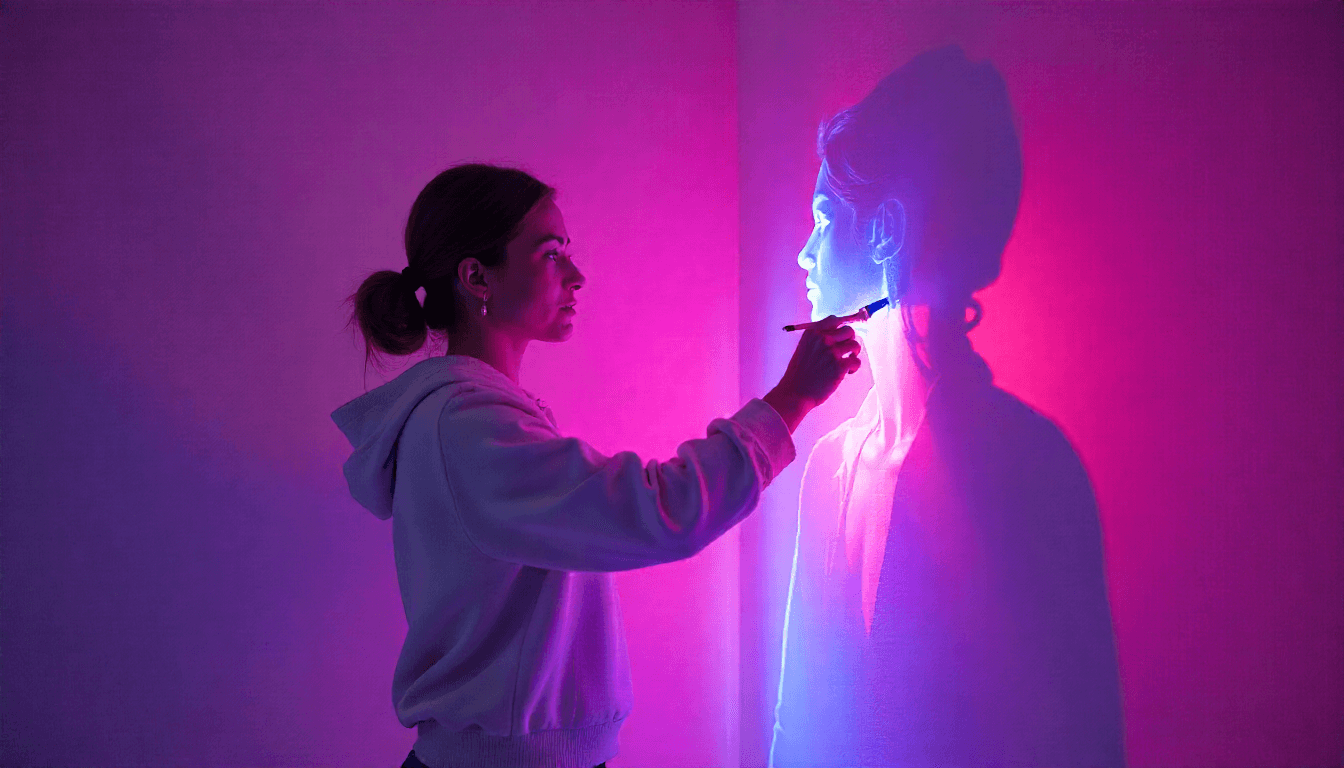
AI agents change this dynamic by offering prompts, generating drafts, or composing fragments of music or dialogue. They are not replacing human imagination but giving it fuel.
A screenwriter might ask an AI agent to explore alternative endings for a story, or a game developer could brainstorm character backstories with an AI before building out the final design. Musicians can experiment with melodies generated by AI, then adapt them into something uniquely their own.
The collaboration feels like a creative conversation, one that helps artists break through blocks and discover possibilities they may not have reached alone.
Personalized AI Entertainment Experiences
For audiences, AI agents are making entertainment feel more personal than ever. Streaming services already use AI to recommend shows and music, but the next wave goes further.
Imagine watching a series where the AI tailors certain scenes to your preferences, highlighting themes you care about most. Or playing a video game where characters adapt to your decisions in ways that feel more realistic because an AI agent is shaping their dialogue in real time.
The idea of entertainment as a shared but static product is shifting. With AI agents, experiences can evolve based on each person’s interaction, creating a sense of ownership and intimacy with the content.
Behind the Scenes in AI Production
Entertainment production is a complex machine. Scripts need editing, budgets must be managed, sets designed, effects rendered, and schedules coordinated. AI agents are becoming invaluable here as well.
They can analyze scripts for pacing or audience appeal, suggest visual effects workflows, or optimize shooting schedules to save time and money. In music, AI helps engineers balance sound mixes. In gaming, it predicts performance bottlenecks before they derail development.
This behind-the-scenes role often goes unnoticed by audiences, but it reduces costs, shortens timelines, and allows creators to focus more energy on storytelling and artistry.
New Forms of Interaction
One of the most exciting roles of AI agents in entertainment is creating new kinds of interaction between fans and content.
Chat-based AI characters, for instance, allow fans to “talk” with fictional personalities outside of the story. Imagine having a conversation with your favorite superhero or exploring the thoughts of a historical figure in a documentary-style AI simulation.
Live events are also being reshaped. Concerts enhanced by AI visuals adapt to the crowd’s energy in real time.
Sports broadcasts could soon feature AI-driven commentary tailored to different audience interests, from strategy analysis for enthusiasts to simplified explanations for newcomers.
Entertainment becomes more than passive consumption. It turns into an active, participatory experience.
Challenges of AI in Entertainment
As with every industry, there are challenges. Intellectual property is a major one. If an AI agent generates music that resembles an existing song, who owns it?
If it creates dialogue in the style of a famous writer, is that inspiration or imitation? These questions remain unsettled and will shape how AI integrates into the creative economy.
There is also the risk of overuse. If studios rely too heavily on AI for scripts or music, audiences may sense a lack of authenticity. Human creativity carries emotion and lived experience that machines cannot replicate. Striking the right balance will be essential to keeping entertainment both innovative and meaningful.
Finally, ethical questions arise around transparency. If audiences interact with AI-driven characters, should it always be made clear that the experience is simulated? Most would argue yes, to avoid confusion or manipulation.
The Future of AI Entertainment
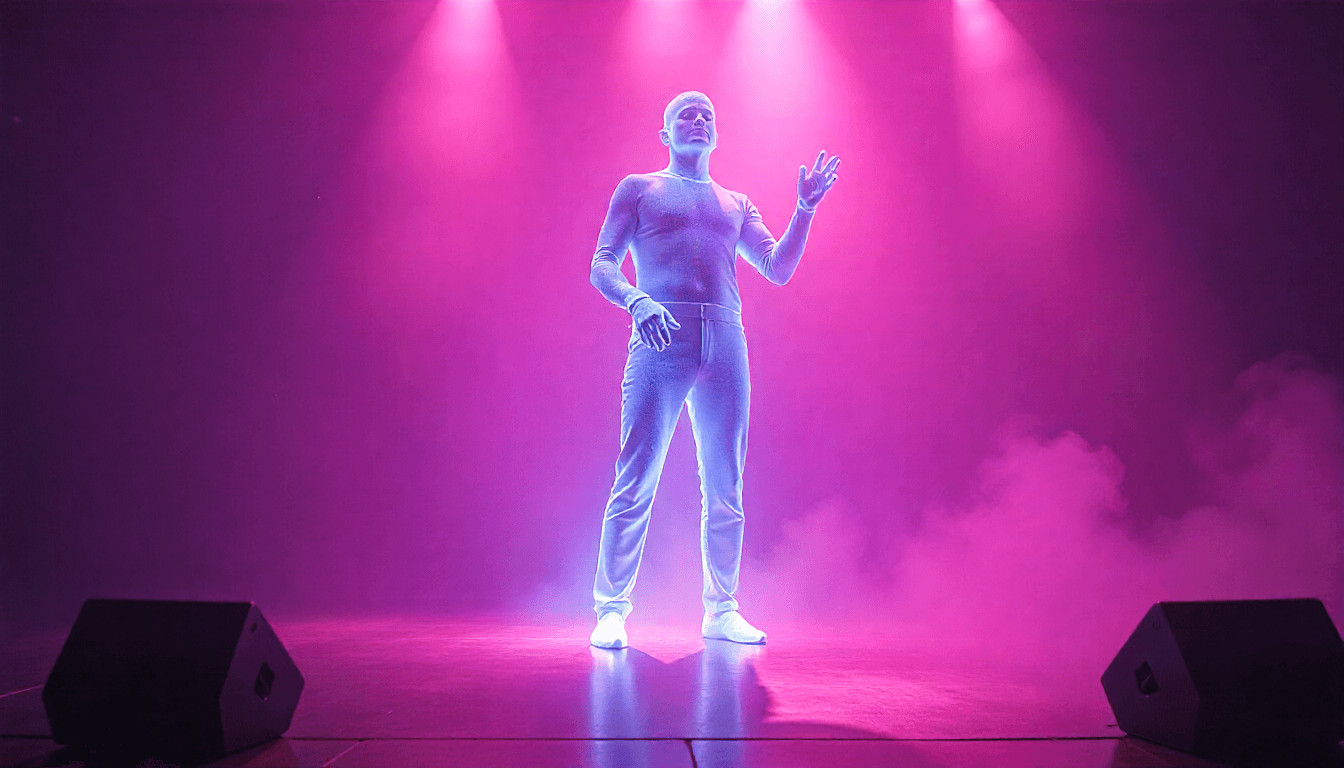
Looking ahead, the possibilities are vast. We may see fully interactive films where the story unfolds differently for every viewer, concerts where AI-generated holograms perform alongside live musicians, or games where entire worlds are shaped on the fly by AI agents responding to players.
For creators, AI may become a constant collaborator, one that not only generates ideas but also tracks audience reactions in real time, suggesting how to evolve stories and formats. For fans, entertainment may become increasingly immersive, blending the line between media and lived experience.
The future is not about AI replacing storytellers or artists but about expanding what they can achieve. Entertainment has always thrived on pushing boundaries, and AI agents represent the next frontier.
Entertainment Without Limits
AI agents are transforming entertainment by supporting creators, personalizing experiences, and opening new forms of interaction. They make production smoother, help audiences feel more connected, and push the boundaries of what media can be.
The challenges are real, from intellectual property to authenticity, but the opportunities are even greater. When used thoughtfully, AI agents do not diminish creativity, they amplify it. They give artists new tools, fans new experiences, and the industry new ways to grow.
Entertainment has always been about imagination. With AI agents, that imagination no longer has to be limited by time, resources, or even format. The stage is wider, the canvas larger, and the possibilities endless.
Entertainment has always evolved with technology. From radio to television, from VHS to streaming, every leap has changed how people consume stories, music, and games.
Now another transformation is underway, driven by AI agents in entertainment. These systems are not just behind the scenes optimizing recommendations. They are becoming active collaborators in creativity, production, and fan interaction.
For creators, AI agents act as partners who spark ideas, streamline workflows, and expand what is possible. For audiences, they make experiences more personal, more immersive, and more interactive. The result is an industry that feels less one-directional and more like a living, evolving conversation between creators and fans.
Creativity With a Digital Partner
Writers, musicians, filmmakers, and game designers often begin with a blank page. It is exciting but also daunting.
AI agents change this dynamic by offering prompts, generating drafts, or composing fragments of music or dialogue. They are not replacing human imagination but giving it fuel.
A screenwriter might ask an AI agent to explore alternative endings for a story, or a game developer could brainstorm character backstories with an AI before building out the final design. Musicians can experiment with melodies generated by AI, then adapt them into something uniquely their own.
The collaboration feels like a creative conversation, one that helps artists break through blocks and discover possibilities they may not have reached alone.
Personalized AI Entertainment Experiences
For audiences, AI agents are making entertainment feel more personal than ever. Streaming services already use AI to recommend shows and music, but the next wave goes further.
Imagine watching a series where the AI tailors certain scenes to your preferences, highlighting themes you care about most. Or playing a video game where characters adapt to your decisions in ways that feel more realistic because an AI agent is shaping their dialogue in real time.
The idea of entertainment as a shared but static product is shifting. With AI agents, experiences can evolve based on each person’s interaction, creating a sense of ownership and intimacy with the content.
Behind the Scenes in AI Production
Entertainment production is a complex machine. Scripts need editing, budgets must be managed, sets designed, effects rendered, and schedules coordinated. AI agents are becoming invaluable here as well.
They can analyze scripts for pacing or audience appeal, suggest visual effects workflows, or optimize shooting schedules to save time and money. In music, AI helps engineers balance sound mixes. In gaming, it predicts performance bottlenecks before they derail development.
This behind-the-scenes role often goes unnoticed by audiences, but it reduces costs, shortens timelines, and allows creators to focus more energy on storytelling and artistry.
New Forms of Interaction
One of the most exciting roles of AI agents in entertainment is creating new kinds of interaction between fans and content.
Chat-based AI characters, for instance, allow fans to “talk” with fictional personalities outside of the story. Imagine having a conversation with your favorite superhero or exploring the thoughts of a historical figure in a documentary-style AI simulation.
Live events are also being reshaped. Concerts enhanced by AI visuals adapt to the crowd’s energy in real time.
Sports broadcasts could soon feature AI-driven commentary tailored to different audience interests, from strategy analysis for enthusiasts to simplified explanations for newcomers.
Entertainment becomes more than passive consumption. It turns into an active, participatory experience.
Challenges of AI in Entertainment
As with every industry, there are challenges. Intellectual property is a major one. If an AI agent generates music that resembles an existing song, who owns it?
If it creates dialogue in the style of a famous writer, is that inspiration or imitation? These questions remain unsettled and will shape how AI integrates into the creative economy.
There is also the risk of overuse. If studios rely too heavily on AI for scripts or music, audiences may sense a lack of authenticity. Human creativity carries emotion and lived experience that machines cannot replicate. Striking the right balance will be essential to keeping entertainment both innovative and meaningful.
Finally, ethical questions arise around transparency. If audiences interact with AI-driven characters, should it always be made clear that the experience is simulated? Most would argue yes, to avoid confusion or manipulation.
The Future of AI Entertainment
Looking ahead, the possibilities are vast. We may see fully interactive films where the story unfolds differently for every viewer, concerts where AI-generated holograms perform alongside live musicians, or games where entire worlds are shaped on the fly by AI agents responding to players.
For creators, AI may become a constant collaborator, one that not only generates ideas but also tracks audience reactions in real time, suggesting how to evolve stories and formats. For fans, entertainment may become increasingly immersive, blending the line between media and lived experience.
The future is not about AI replacing storytellers or artists but about expanding what they can achieve. Entertainment has always thrived on pushing boundaries, and AI agents represent the next frontier.
Entertainment Without Limits
AI agents are transforming entertainment by supporting creators, personalizing experiences, and opening new forms of interaction. They make production smoother, help audiences feel more connected, and push the boundaries of what media can be.
The challenges are real, from intellectual property to authenticity, but the opportunities are even greater. When used thoughtfully, AI agents do not diminish creativity, they amplify it. They give artists new tools, fans new experiences, and the industry new ways to grow.
Entertainment has always been about imagination. With AI agents, that imagination no longer has to be limited by time, resources, or even format. The stage is wider, the canvas larger, and the possibilities endless.
Guides
Entertainment AI Agents Are Changing the Way We Create Media