

A few years ago, “chatbot” was the default label for any AI that talked back. In 2026, that label is too broad. Some AI systems still mainly chat. Others are built to pursue a goal, follow a workflow, and keep moving a task forward. That shift is why “AI agents” have become such a big topic.
If you are choosing an AI setup for your business, this is not just semantics. It impacts expectations, risk, rollout, and how you measure success.
What Is An AI Chatbot?
An AI chatbot is designed for conversation. You ask something, it replies. It can write, summarize, explain, and help you think through decisions. Most chatbots are reactive by default. They do not independently drive a multi step process unless you keep guiding them.
Chatbots are a strong fit when the work is language heavy and you want fast help drafting or answering, with a human deciding the next move.
What Is An AI Agent?
An AI agent is designed to pursue an outcome. It usually has a defined role, clearer instructions, and a way of working that feels more like a repeatable process.
Depending on the product, an agent may also use knowledge sources or tools to stay aligned with your business, but autonomy is not a requirement. Many useful agents are still chat based, they simply behave more consistently and purposefully than a general chatbot.
The practical difference is that an agent is meant to move work forward with less prompting and less improvisation.
The Core Difference In One Sentence
A chatbot is optimized for generating helpful responses. An agent is optimized for making progress toward a defined goal.
That one sentence explains why these tools “feel” different in day to day use. A chatbot is great at answering what you ask. An agent is better at asking what it needs, narrowing the scope, and steering the conversation toward a useful next step.
Why The Difference Matters
Most AI disappointments happen because people buy one thing while expecting the other.
When you deploy a chatbot, you are mostly improving individual productivity. Someone gets a faster draft, a clearer explanation, or a quick answer. The human remains the workflow.
When you deploy an agent, you are trying to improve a process. The agent becomes part of how work gets done, so you need clearer boundaries, better knowledge grounding, and a clearer definition of what “done” means.
This also changes risk. If the AI is only drafting text, mistakes are usually easy to catch. If the AI is acting like a frontline assistant for sales or support, a wrong answer can affect revenue and trust, so governance and consistency matter more.
How To Tell Which One You Actually Need
Ask yourself what the task looks like in the real world.
If it is mostly a single interaction, such as “write this email,” “summarize this meeting,” or “give me ideas for a campaign,” a chatbot is often the best and simplest solution.
If it is a repeatable workflow with a known structure, such as onboarding, lead qualification, or customer support triage, an agent style setup usually fits better because you can define rules, tone, sources, and escalation paths.
A useful litmus test is this: if you can describe the job like a job description, you probably want an agent. If you can describe it like a question, you probably want a chatbot.
Real Examples That Make The Difference Obvious
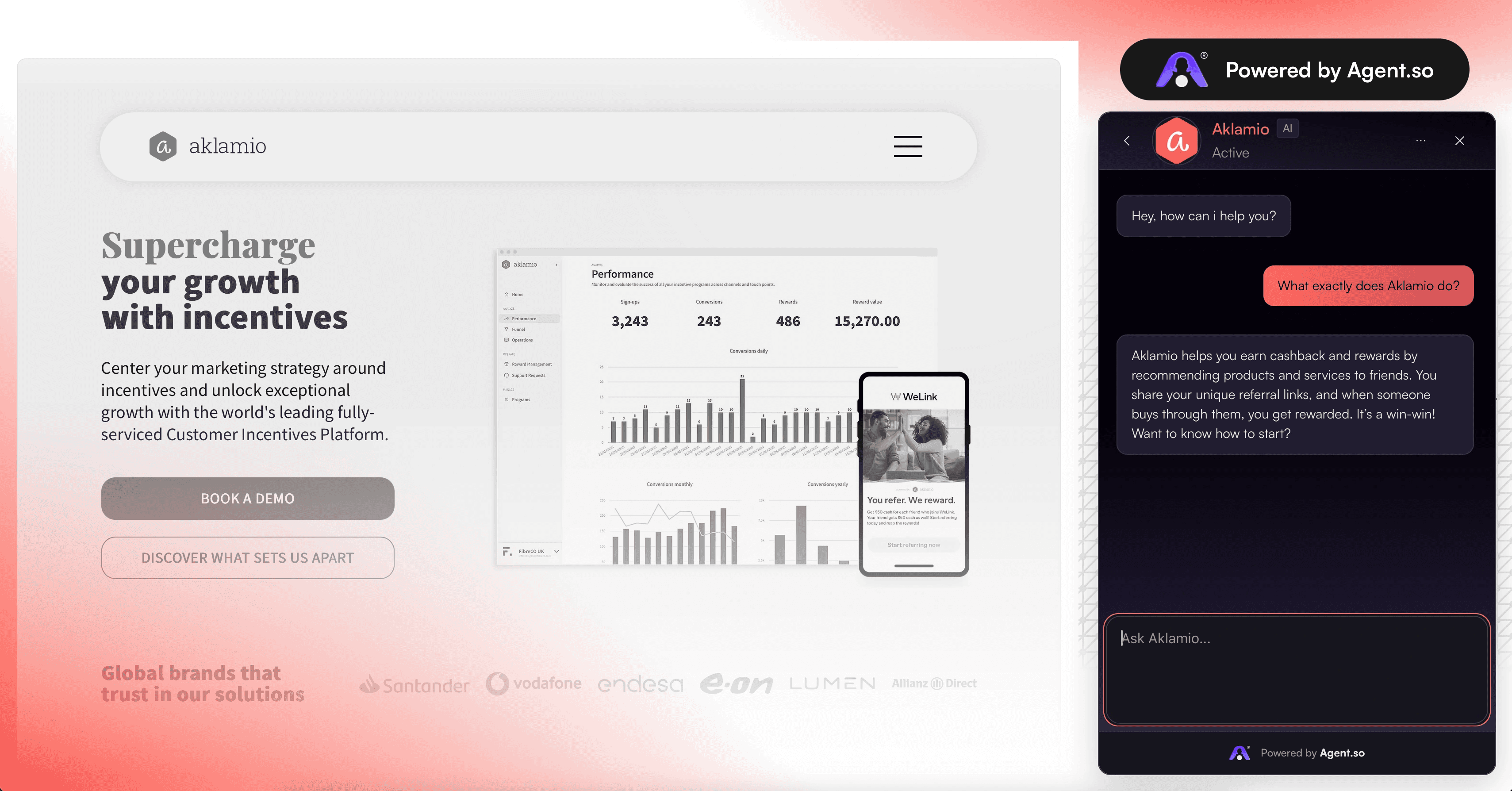
Picture a visitor on your pricing page asking, “Do you offer refunds?” A chatbot can answer in a general way, but it may phrase it differently each time, or miss the nuance of your policy. An agent trained on your refund policy and instructed to follow your exact terms can answer consistently, and can guide the user to the next step, like contacting support or starting a trial.
Or take marketing. A chatbot is great for brainstorming hooks and drafting variations. An agent becomes valuable when you want repeatable output that follows your brand voice, your offer structure, and your formatting rules, every time, without re explaining the context.
The pattern is the same across use cases. Chatbots shine for flexible help. Agents shine for consistent workflows.
A Simple AI Decision Checklist
Is the task one step or multi step? One step usually favors a chatbot. Multi step usually favors an agent.
Do you need consistency and rules? If tone, policy, or compliance matters, an agent approach is safer.
Does accuracy depend on your internal information? If yes, you want an agent that can be grounded in your sources.
What happens if it is wrong? The higher the risk, the more you want agent style constraints and oversight.
Common AI Agents Misconceptions
One of the biggest misconceptions is that agents must be fully autonomous. They do not. Many valuable agents are chat based, but designed with a role, boundaries, and training so they behave reliably.
Another misconception is that chatbots are outdated. They are not. For many teams, a good chatbot is the fastest path to everyday productivity.
The real mistake is treating these as competing products. They are different tools for different jobs.
The Takeaway
AI chatbots help you write, think, and answer questions faster. AI agents help you run repeatable conversations and workflows more consistently, with clearer rules and better alignment to your business. When you choose the right one, you get better adoption, lower risk, and results you can actually measure.
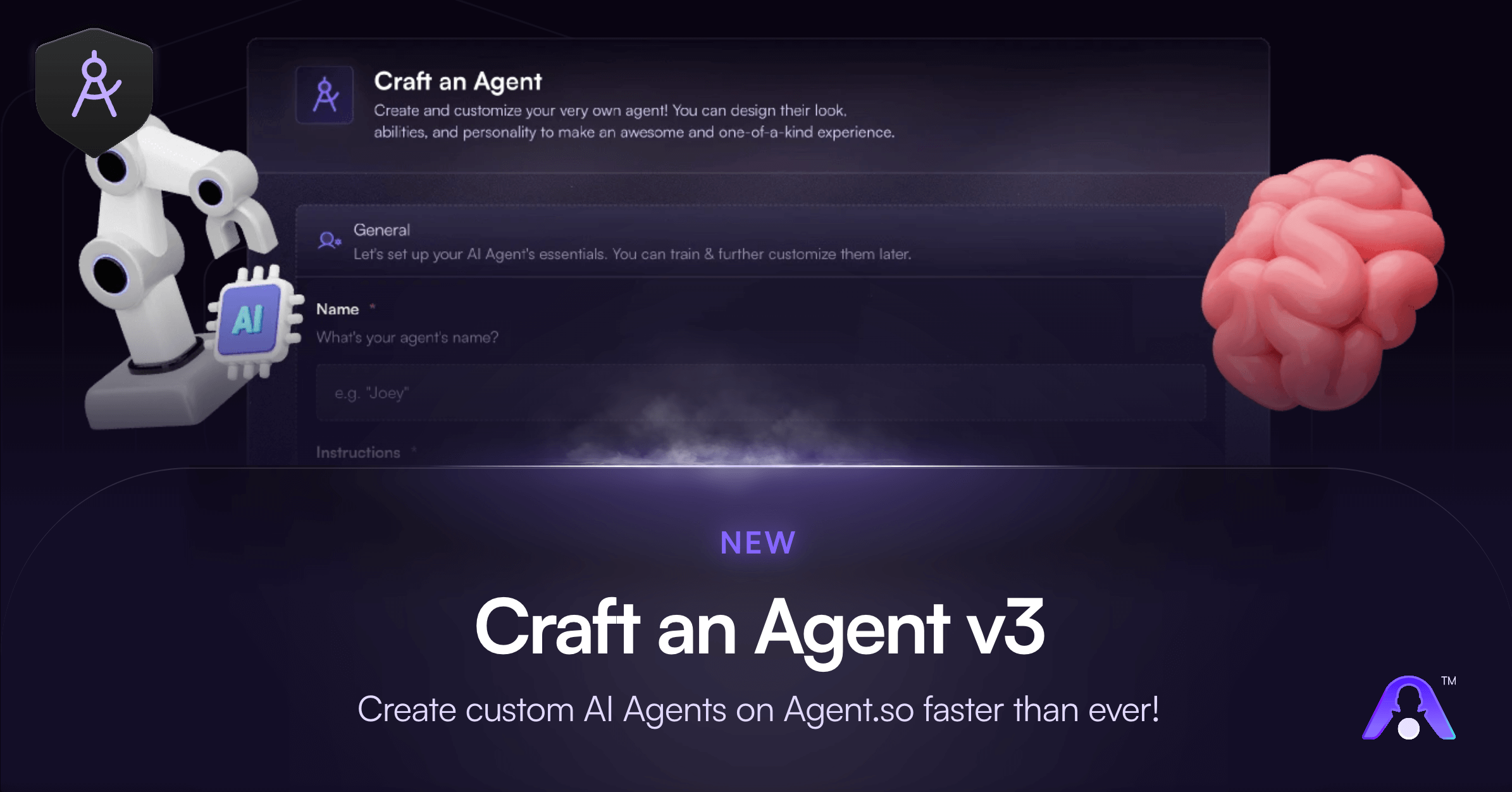
If you want to experiment with agent style assistants that can be tailored to specific roles and deployed where users already are, sign up to Agent.so. It is a practical way to move beyond generic chat and start building specialized AI experiences that fit real workflows.
A few years ago, “chatbot” was the default label for any AI that talked back. In 2026, that label is too broad. Some AI systems still mainly chat. Others are built to pursue a goal, follow a workflow, and keep moving a task forward. That shift is why “AI agents” have become such a big topic.
If you are choosing an AI setup for your business, this is not just semantics. It impacts expectations, risk, rollout, and how you measure success.
What Is An AI Chatbot?
An AI chatbot is designed for conversation. You ask something, it replies. It can write, summarize, explain, and help you think through decisions. Most chatbots are reactive by default. They do not independently drive a multi step process unless you keep guiding them.
Chatbots are a strong fit when the work is language heavy and you want fast help drafting or answering, with a human deciding the next move.
What Is An AI Agent?
An AI agent is designed to pursue an outcome. It usually has a defined role, clearer instructions, and a way of working that feels more like a repeatable process.
Depending on the product, an agent may also use knowledge sources or tools to stay aligned with your business, but autonomy is not a requirement. Many useful agents are still chat based, they simply behave more consistently and purposefully than a general chatbot.
The practical difference is that an agent is meant to move work forward with less prompting and less improvisation.
The Core Difference In One Sentence
A chatbot is optimized for generating helpful responses. An agent is optimized for making progress toward a defined goal.
That one sentence explains why these tools “feel” different in day to day use. A chatbot is great at answering what you ask. An agent is better at asking what it needs, narrowing the scope, and steering the conversation toward a useful next step.
Why The Difference Matters
Most AI disappointments happen because people buy one thing while expecting the other.
When you deploy a chatbot, you are mostly improving individual productivity. Someone gets a faster draft, a clearer explanation, or a quick answer. The human remains the workflow.
When you deploy an agent, you are trying to improve a process. The agent becomes part of how work gets done, so you need clearer boundaries, better knowledge grounding, and a clearer definition of what “done” means.
This also changes risk. If the AI is only drafting text, mistakes are usually easy to catch. If the AI is acting like a frontline assistant for sales or support, a wrong answer can affect revenue and trust, so governance and consistency matter more.
How To Tell Which One You Actually Need
Ask yourself what the task looks like in the real world.
If it is mostly a single interaction, such as “write this email,” “summarize this meeting,” or “give me ideas for a campaign,” a chatbot is often the best and simplest solution.
If it is a repeatable workflow with a known structure, such as onboarding, lead qualification, or customer support triage, an agent style setup usually fits better because you can define rules, tone, sources, and escalation paths.
A useful litmus test is this: if you can describe the job like a job description, you probably want an agent. If you can describe it like a question, you probably want a chatbot.
Real Examples That Make The Difference Obvious
Picture a visitor on your pricing page asking, “Do you offer refunds?” A chatbot can answer in a general way, but it may phrase it differently each time, or miss the nuance of your policy. An agent trained on your refund policy and instructed to follow your exact terms can answer consistently, and can guide the user to the next step, like contacting support or starting a trial.
Or take marketing. A chatbot is great for brainstorming hooks and drafting variations. An agent becomes valuable when you want repeatable output that follows your brand voice, your offer structure, and your formatting rules, every time, without re explaining the context.
The pattern is the same across use cases. Chatbots shine for flexible help. Agents shine for consistent workflows.
A Simple AI Decision Checklist
Is the task one step or multi step? One step usually favors a chatbot. Multi step usually favors an agent.
Do you need consistency and rules? If tone, policy, or compliance matters, an agent approach is safer.
Does accuracy depend on your internal information? If yes, you want an agent that can be grounded in your sources.
What happens if it is wrong? The higher the risk, the more you want agent style constraints and oversight.
Common AI Agents Misconceptions
One of the biggest misconceptions is that agents must be fully autonomous. They do not. Many valuable agents are chat based, but designed with a role, boundaries, and training so they behave reliably.
Another misconception is that chatbots are outdated. They are not. For many teams, a good chatbot is the fastest path to everyday productivity.
The real mistake is treating these as competing products. They are different tools for different jobs.
The Takeaway
AI chatbots help you write, think, and answer questions faster. AI agents help you run repeatable conversations and workflows more consistently, with clearer rules and better alignment to your business. When you choose the right one, you get better adoption, lower risk, and results you can actually measure.
If you want to experiment with agent style assistants that can be tailored to specific roles and deployed where users already are, sign up to Agent.so. It is a practical way to move beyond generic chat and start building specialized AI experiences that fit real workflows.
Guide
AI Agents vs AI Chatbots: What’s The Difference And Why It Matters